
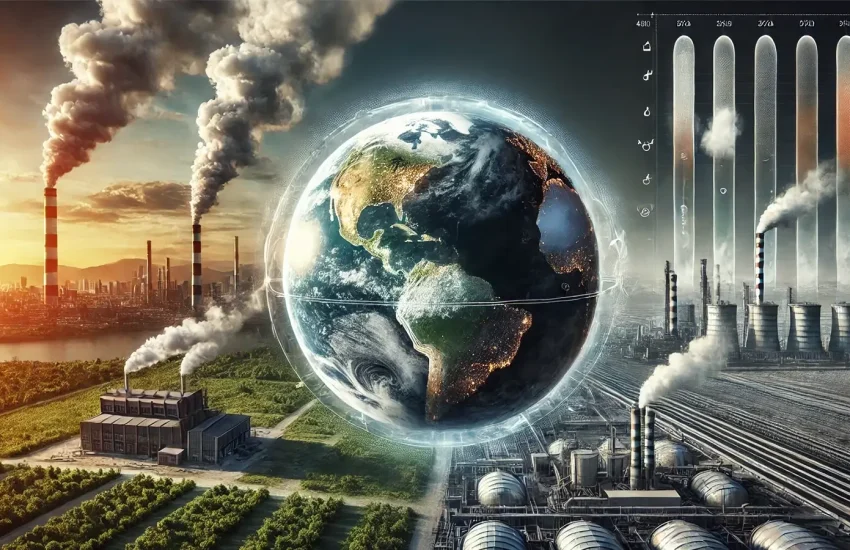
What is a Greenhouse Gas?
Climate change is one of the most pressing issues of our time, and understanding the science behind it is crucial for making informed decisions. Central to this discussion are greenhouse gases (GHGs), which play a pivotal role in global warming and environmental degradation. For organisations, educational institutions, and businesses aiming to reduce their carbon footprint, understanding GHGs is the first step towards sustainable practices.
What Are Greenhouse Gases?
Greenhouse gases (GHGs) are atmospheric gases that trap heat, preventing it from escaping into space and thus warming the Earth. This phenomenon, known as the greenhouse effect, is essential for maintaining life as we know it. However, excessive GHGs can intensify this effect, leading to climate instability and severe environmental consequences.
In simple terms, GHGs act like a blanket around the planet, keeping it warm. While this natural process is necessary, human activities have significantly increased GHG concentrations, exacerbating global warming.
Types of Greenhouse Gases
There are several types of greenhouse gases, each contributing differently to the greenhouse effect:
- Carbon Dioxide (CO₂):
- Source: Fossil fuel combustion, deforestation, and industrial processes.
- Impact: The most prevalent GHG, responsible for about 76% of global emissions.
- Methane (CH₄):
- Source: Agriculture (livestock), landfills, and natural gas production.
- Impact: Has a global warming potential (GWP) approximately 25 times greater than CO₂ over 100 years.
- Nitrous Oxide (N₂O):
- Source: Agricultural fertilisers, industrial activities, and fossil fuel combustion.
- Impact: Around 300 times more potent than CO₂ in warming the atmosphere.
- Fluorinated Gases:
- Source: Industrial applications like refrigeration and air conditioning.
- Impact: Though less common, these gases have extremely high GWPs and long atmospheric lifespans.
How Do Greenhouse Gases Affect the Climate?
Excessive greenhouse gases disrupt Earth’s delicate energy balance, causing:
- Rising global temperatures: Increased heat leads to melting ice caps, rising sea levels, and more extreme weather patterns.
- Ecosystem disruptions: Altered habitats and migration patterns for wildlife.
- Economic impacts: Agriculture, fisheries, and infrastructure face significant challenges.
Sources of Greenhouse Gas Emissions
Greenhouse gases originate from both natural and human-made (anthropogenic) sources:
- Natural Sources:
- Volcanic eruptions, respiration, and decomposition.
- Human Activities:
- Energy production: Burning coal, oil, and natural gas.
- Deforestation: Reducing Earth’s capacity to absorb CO₂.
- Agriculture: Methane emissions from livestock and rice paddies.
- Industry: Manufacturing processes and chemical reactions.
For instance, the energy sector alone accounts for more than 70% of global GHG emissions, making it a critical area for intervention.
Measuring and Monitoring Greenhouse Gases
Understanding and tracking GHG emissions is vital for creating effective reduction strategies. Organisations can employ tools such as:
- Carbon footprint calculators: Simple tools to estimate emissions.
- GHG Protocol: A globally recognised framework for measuring and managing emissions.
- Advanced technologies: Satellite imaging and sensors provide accurate, real-time data on emissions.
By monitoring emissions, businesses can identify high-impact areas and set measurable targets for reduction.
How Organisations Can Reduce Their Greenhouse Gas Emissions
Reducing GHG emissions not only benefits the environment but also enhances organisational efficiency and reputation. Here are some strategies:
- Improve energy efficiency:
- Upgrade to energy-efficient appliances and systems.
- Conduct regular energy audits.
- Adopt renewable energy:
- Transition to solar, wind, or hydroelectric power.
- Engage in carbon offsetting:
- Invest in projects like reforestation and renewable energy.
- Promote sustainable practices:
- Implement circular economy principles to minimise waste.
- Encourage behavioural changes among employees and stakeholders.
The Importance of Greenhouse Gas Awareness
Raising awareness about greenhouse gases is critical for fostering collective action. Policies such as carbon pricing and international agreements like the Paris Agreement underline the urgency of reducing GHG emissions. For organisations, aligning with these goals can improve compliance, attract eco-conscious customers, and bolster brand loyalty.
Reducing your organisation’s greenhouse gas emissions is not just an environmental responsibility but also a strategic business move. By taking steps to measure, monitor, and mitigate your emissions, you can contribute to a more sustainable future while gaining a competitive edge.
Start your journey today. Contact us for tailored solutions to measure and reduce your greenhouse gas emissions. Together, we can build a low-carbon future.
